 Service time
 Write to us
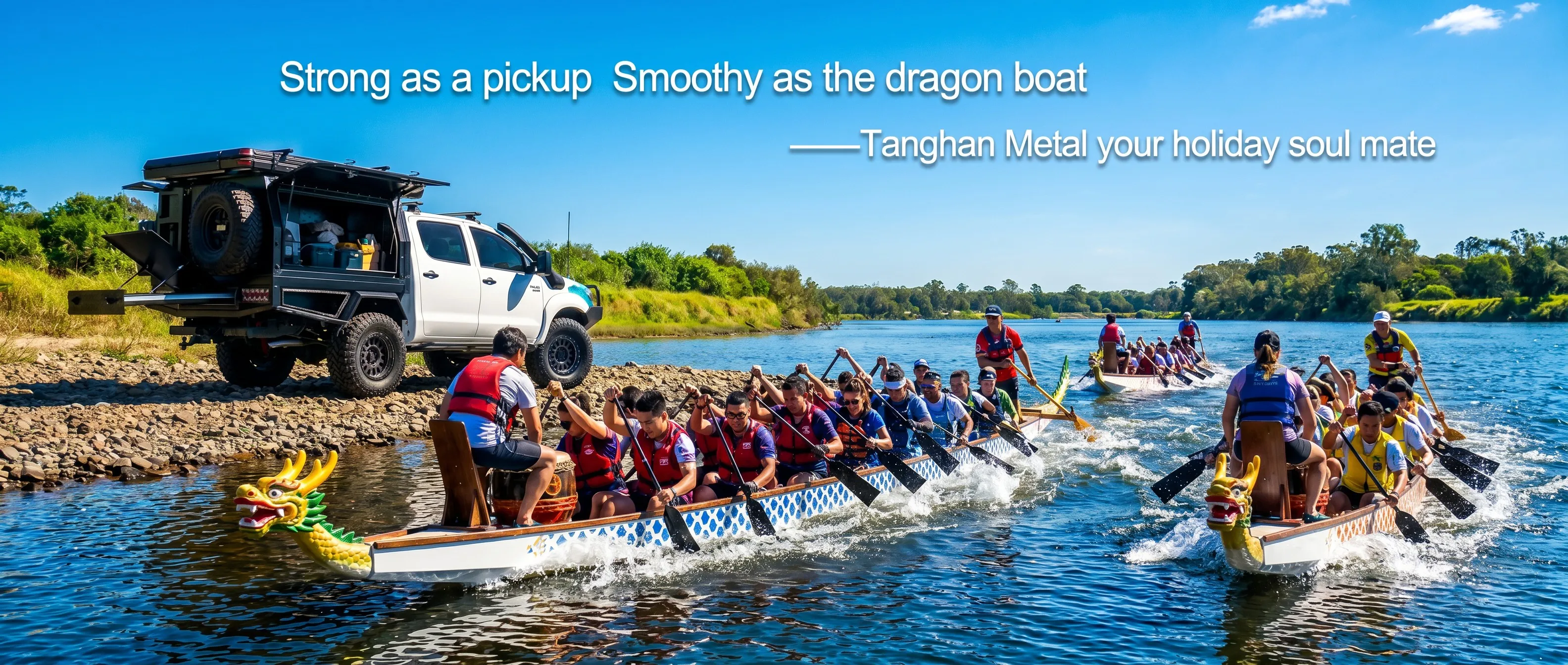
Every June, the waterways of Foshan, Guangdong come alive. The air fills with the deep resonance of cowhide drums; the river surface erupts in synchronized foam as crews of twenty pull their oars in perfect unison. This is the Dragon Boat Festival — not merely a holiday in Foshan, but a centuries-old competitive obsession. And for us at TangHan Metal, it is also a mirror.
Where Legends Are Built: The Foshan Dragon Boat Tradition
Foshan is not a passive observer of dragon boat culture. It is its engine. For generations, the craftsmen of this city have obsessed over every variable — the curvature of the hull, the taper of the bow, the precise density of the teak planks. A fraction of a millimetre in the wrong place means drag. Drag means defeat.
This spirit of zhuāngyán — deep, dedicated inquiry — runs far beyond the riverbank. It flows through the workshops of Foshan’s manufacturing district, where craftsmen apply the same uncompromising logic to metal, to tolerances, to surface finishes. It is the same discipline that has defined our work since TangHan Metal was founded in 2008.
“A dragon boat that wins a championship is not built on race day. It is built in ten thousand hours of refinement before the first paddle ever touches water.”
— A principle we carry into every product we makeSame River, Different Vessel: Our Approach to Engineering
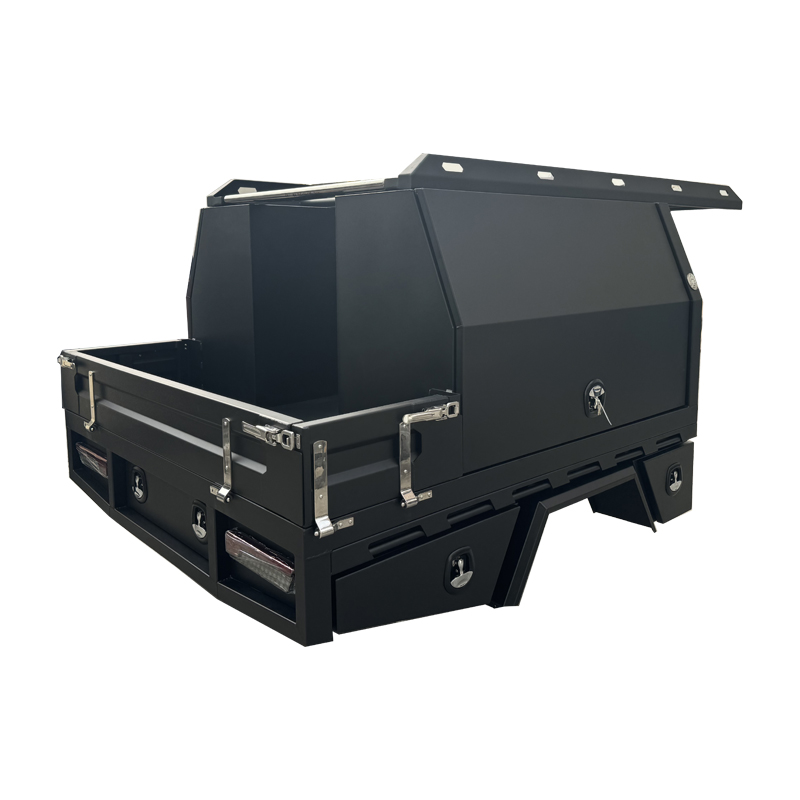
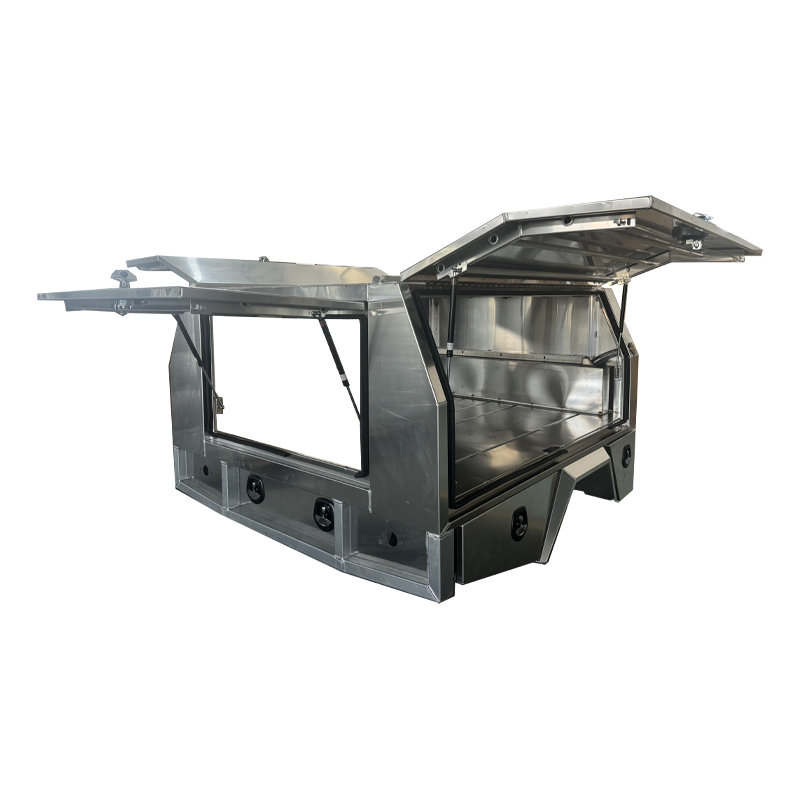
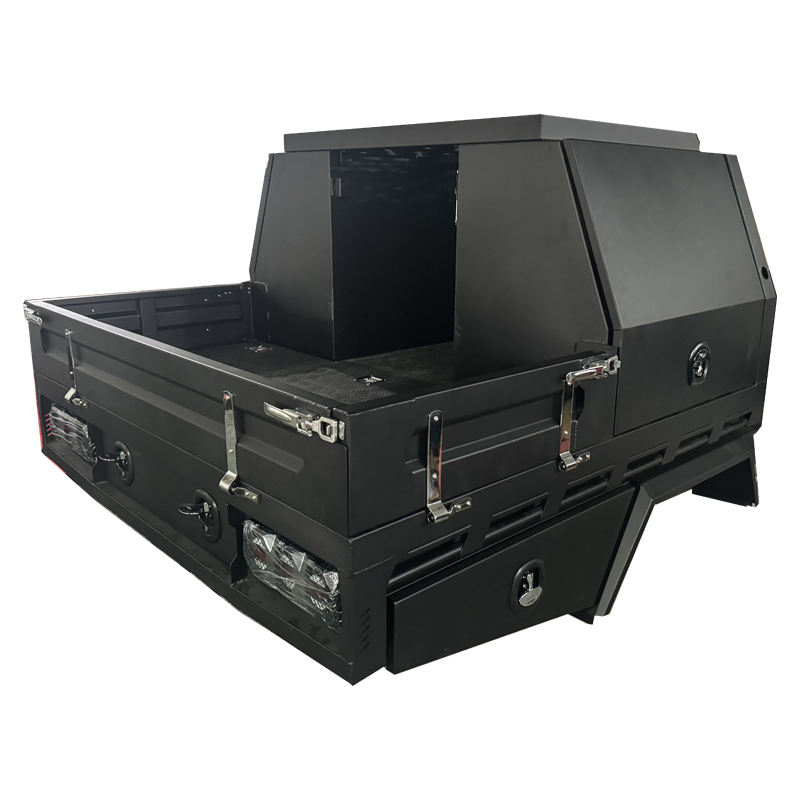
When our engineering team sits down to refine a ute canopy design, the conversation sounds remarkably similar to a dragon boat workshop. How does this weld behave under thermal expansion across a Queensland summer? Will this seal hold when a Kiwi farmer drives through a river crossing at the end of a South Island track? Does the locking mechanism still operate cleanly when gloveed hands are cold and impatient?
These are not afterthoughts. They are the starting point. Just as the Foshan boatbuilder tests every hull in fast water before sanctioning it for competition, we subject every ute tray, every ute service body, and every ute toolbox to conditions that exceed what most customers will ever encounter. That margin of resilience is our gift to the people who rely on this gear to earn a living — or to get safely home.
A Shared Passion Across the Southern Hemisphere
Here is something that often surprises people: dragon boat racing is not a niche curiosity in Australia and New Zealand. It is a mainstream, thriving sport. Sydney’s Darling Harbour hosts one of the largest dragon boat regattas in the Southern Hemisphere. Auckland’s Waitemata Harbour sees dozens of club crews out on the water through the summer. Across Brisbane, Melbourne, Christchurch, and Wellington, community clubs paddle year-round.
Did You Know?
Dragon boat racing in Australia is governed by Dragon Boat Australia (DBA) with over 10,000 registered paddlers nationwide. In New Zealand, the sport has grown steadily since the 1990s, now counting dozens of active clubs from Auckland to Queenstown. The sport transcends cultural boundaries — most crews are as culturally diverse as the countries themselves.
This shared passion creates a real, tangible connection between our Foshan origins and the communities we serve. When an Aussie tradie parks their ute beside the river to watch a heat, or when a Kiwi outdoor enthusiast loads up their canopy-equipped 4×4 for a camping run through Northland, they carry — perhaps without realising it — a piece of the same restless, competitive spirit that drives the drums on the water.
The Craftsman’s Commitment: Iteration Without End
Dragon boat teams do not stop refining their technique when they win a race. They dissect the data, review the footage, and return to training with new questions. This is the mentality we bring to product development. Our ute canopies have gone through multiple generations of aluminium alloy selection, hinge geometry optimisation, and weather-seal compound testing — not because the previous version failed, but because the next version can always be better.
Listening to Aussie tradies and Kiwi explorers is the most direct form of this iteration. The farmers of Western Queensland and the touring adventurers of Fiordland tell us things that a laboratory never could. That feedback becomes the next design brief. It becomes the adjustment to a drawer runner, the addition of a drain channel, the change in a paint specification. Small things, accumulated over time, that add up to a product that simply works — every time, in every condition.
Zongzi, Sticky Rice & the Philosophy of Good Preparation
No Dragon Boat Festival is complete without Zongzi — sticky rice dumplings wrapped in bamboo leaves, stuffed with an astonishing variety of fillings depending on the region. Cantonese-style Zongzi from Guangdong are famously generous: glutinous rice, braised pork belly, salted egg yolk, dried shrimp, and mushrooms, all folded with geometric precision into a package that holds together under an hour of steaming and reveals its treasure only when you unwrap it.
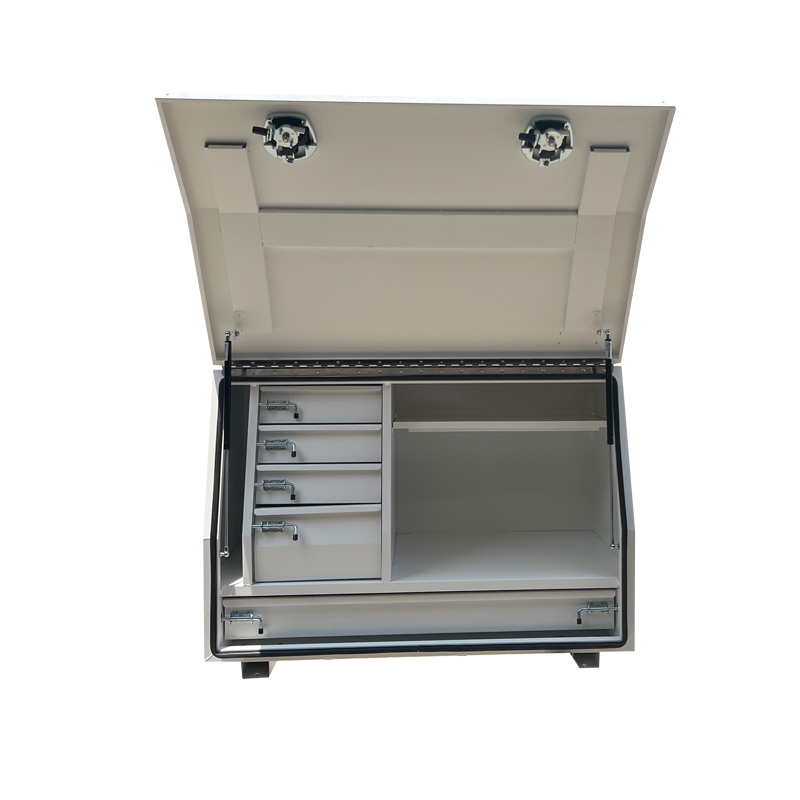
We always find a quiet parallel here. The art of packing a Zongzi — every ingredient in its right place, nothing wasted, nothing missing — is the same art we want every customer to experience when they open their ute toolbox at the end of a dirt track and find exactly what they need, exactly where they left it. Good preparation is not luck. It is architecture.